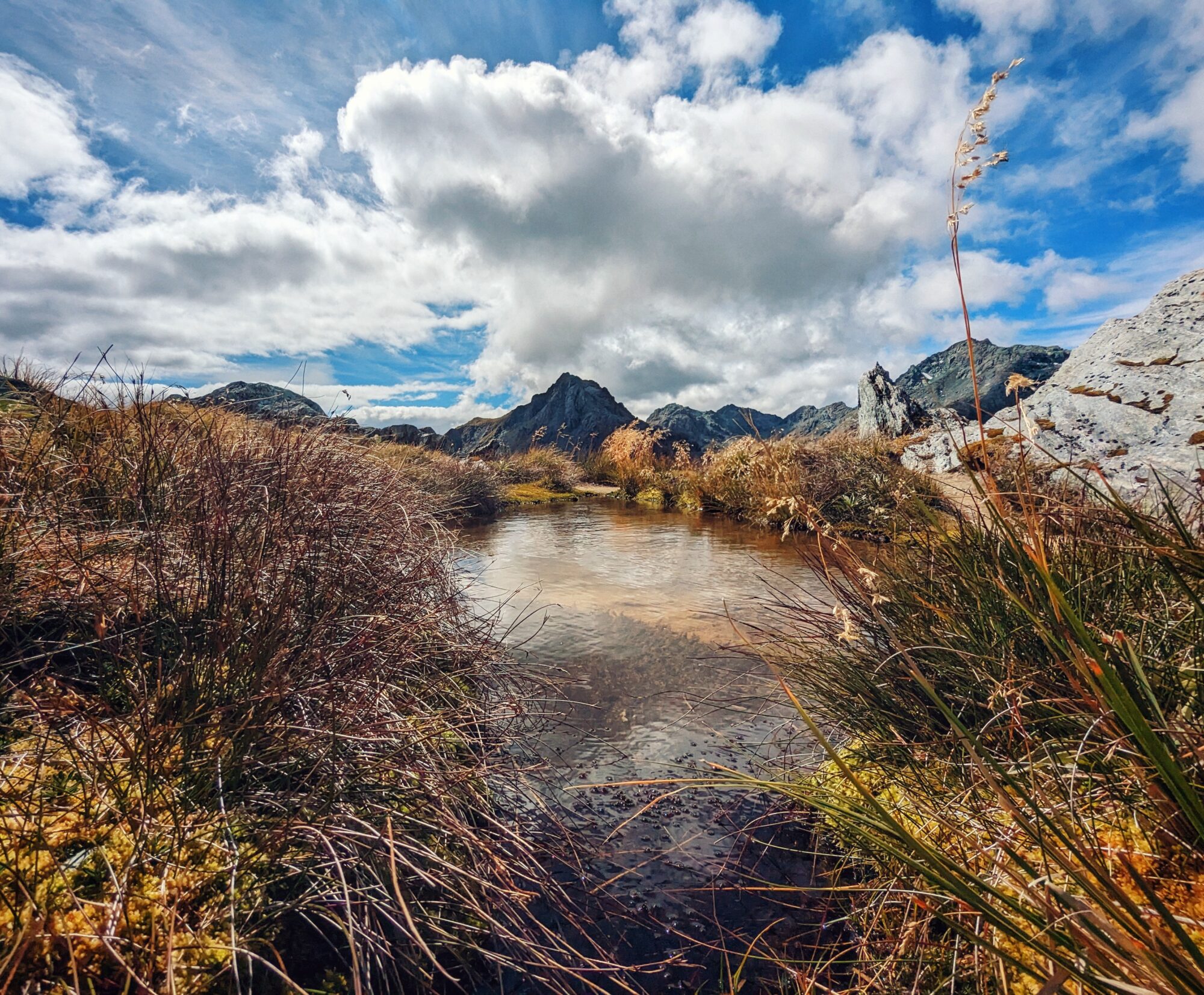
Don’t Call it Spontaneous: The Financial Reality of Hiking the PCT

My announcement of my plan to thru hike the PCT with Keith has kicked off a veritable whirlwind of activity. We’ve started to pack away our apartment, we’re preparing to leave our jobs, anxiety/excitement has been on the rise, and I’ve been hearing one thing over and over again: “What? you’re leaving?! This is so sudden, so spontaneous!”

To which there is only one honest reply: No it isn’t.

I decided to hike the PCT in April of 2016. Which means, by the time I get on the trail on March 27th, it will have been nearly two years since I made the choice to attempt this trail. The reality is, this only feels spontaneous to the people I’m telling about it now, and there are a handful of very good reasons for that. The first being that employers really don’t want a worker bee who is going to up and leave in a few months/years. As they say in the advertising world: it’s bad ROI. The second reason, is that a million things could have happened between deciding I wanted to hike the PCT and actually leaving on the trip. A million tiny little things that could have derailed this entire dream. I don’t want to be the kind of person who says she’s going to do something and then bails, so I decided that I’d only tell a select few people in my life about my plans until they were all but certain. And frankly, when you talk about thru hiking, almost nothing is certain.

The third and biggest reason for a two year gap between deciding to hike the PCT and actually doing it: money. Yes, thru hiking is cheaper than living in a big city like Los Angeles, but that doesn’t mean it’s cheap, and it doesn’t mean it’s free. The financial reality of undertaking a trip like the PCT is something that is rarely discussed in the hiking community, and as a result planning a trip like this can seem incomprehensible. However, I think it’s important to be more honest about where our money goes and what we spend it on, and this post is a stab at doing just that. Below you can see how I’ve saved for and budgeted for this trip, and since this post has the likelihood of getting a little long, I’ve broken it down by topic.

Estimating Cost:
Based on my calculations I needed to save a minimum of $10,000 in order to hike the PCT.  If I could get closer to $15,000 that would give me some much appreciated wiggle room for after our hike, since we’ll be relocating to Seattle, WA and I will be jobless upon arriving.

If you do a cursory search for what it costs to do a thru hike you’ll find that not many people are talking about this in concrete dollar amounts, but those who are estimate around $5,000  for their entire hike, including things like food, gear replacements, getting a hotel room in town, and rides to and from the trail. Then how did I settle on $10,000 for my hike?

Student loans baby!

At the writing of this post, I have close to $25,000* in student debt (down from nearly $47,000 when I graduated college). Those loans need to be paid come rain, shine, unemployment, thru hikes, and in some cases even death. When I started saving, I paid close to $650 each month in student loans, now I pay closer to $450 since I’ve been able to pay a few loans off. Furthermore, I assumed I wouldn’t get a job right away upon finishing the trail, so I threw in a couple more months of payments, rounded up for sanity and ended up at another $5,000 that I needed to save just so I could continue to pay back my loans while on the trail.

NOTE: I’m sure some of you are thinking, with $15,000 in savings you could pay off a lot of that debt! And you’re not wrong. But I could also be hit by a car tomorrow and killed, so I’d rather pursue this dream now. Also, I didn’t ask for your opinion or approval, so kindly keep it to yourself.

The Savings:
Time for honesty! Saving money is not sexy, it’s not cool, and it’s not fun.

To save for this hike I stopped buying new clothes for close to two years, I didn’t go on vacations, I packed my lunch every single day for months and months, I set budgets for myself for every single thing in my life and tried my best to stick to them. I said no to fun things like concerts, weekends away, and little treats. It was stressful, and lame and boring at times, but that’s the truth of it.

In addition to being more frugal with my spending, I also started freelance writing where I made $100-$150 an article. For the last nine months I’ve been constantly pitching and writing articles – a task that often felt like I had two or more jobs at any given time. Beyond writing, I took any and all overtime work I could get, I got a new day job with a higher salary, even though I didn’t love the work, and I said yes to any paid gig that came my way. Because I am good at video creation and editing, and built a solid reputation during my time in advertising, I was able to snag some lucrative projects from old contacts which served as big capital windfalls (around $2500) that helped me reach my $15,000 savings goal. Sometimes this meant that I was exhausted, working multiple jobs, and sleeping very little. Again, it’s not sexy or fun, but it’s also true, and it’s what it took for me to pursue this dream.

Pre-Trail Costs – Gear:
Lucky for me, both Keith and I are avid backpackers. This means that when I set out to hike the PCT I already had a lot of the gear I needed, much of which we used on our JMT hike in 2017. So this was a cost, but not one that came in a big lump sum. Instead it was handfuls of little to moderate costs strung out over the last two years*.

An added bonus, is that Keith is an incredibly generous and talented human being and he made many of the items that we’ll need on the trail. He designed and made me my own sleeping quilt and gifted it to me for my birthday, as well as making gaiters and a pack covers which are nicer and cheaper than ones I would have bought. Keith is also the most frugal human I’ve ever met, which means he knows how to score a deal! When we settled on buying Mountain Hardware Ghost Whisperer Jackets (MSRP $350) we waited for a sale, and then bought our jackets in kinda weird colors – allowing us to get the jackets for less than half price. And since we’re doing this hike together, we can split the costs of things like our tent and stove (this also saves pack weight). I know I wouldn’t be starting the trail half as well prepared if it weren’t for Keith, so he deserves a huge amount of credit for all his help.

*NOTE: I did not include gear purchases in my savings calculations for this hike. Another note, if you’re planning your own thru hike, or simply want to get into backpacking in any capacity, don’t be an idiot and buy this stuff off the shelf at REI. Shop around and use the dozens of discount gear sites like MooseJaw, Backcountry, Sunny Sports,  Steep and Cheap, Sierra Trading Post, and even Amazon. Paying MSRP is for fools.

Below is what you could expect to spend on your set up for the PCT (around $2,000). Some people drop serious cash to get the lightest gear, other people prioritize savings instead of pack weight, it’s up to you. But I prioritized pack weight and comfort over money, and then looked for deals to cut costs.

Backpack: $250-$350
Tent: $200-$600
Sleeping Pad: $150-$200 (but you could go as low as $40)
Sleeping Bag/Quilt: $300-$800
Hiking Outfit (daily wear): $150
Shoes: $80-$120/pair*
Trekking Poles: $100
Thermals top and bottom: $100
Misc. Other Clothes: $60-$100
Rain Jacket: $150-$200
Down Jacket: $120-$360
Water Filter: $40
Hat: $10-$40
Sunglasses: $20-$150
Pack Cover, Gaiters, stuff sacks, sleeping pillow, other random crap: $200

NOTE: Shoes, socks, and sometimes clothes will have to be replaced during your hike, so take those costs and multiply them by 4 or 5.

Pre-Trail Costs – Food:
Part of hiking the PCT is mailing yourself resupply boxes – these are boxes of food and gear, which one typically sends themselves in areas that are more remote and don’t have a proper grocery store. These boxes probably cost $400 per person for food, buying the boxes, and the shipping costs of mailing them first to my parents and then buying postage for my parents to mail them back to us. Backpackers are a weird lot, and resupply boxes epitomize that.

While $400 is a lot to spend on food that I won’t even eat for five or more months it works out to just about $7/day. We cut costs here by making our own freeze-dried and dehydrated meals instead of buying a brand name like Mountain House or Backpaker Pantry which can run $9 for one meal. Also, instead of buying snacks at the store, we purchased things like candy bars in bulk online where you get a discount for buying 48 candy bars at once.

As someone who cannot eat gluten without *ahem* unpleasant side effects, my food costs will likely total more than Keith’s since gluten free food is much more expensive than standard food. Furthermore, I’ll be supplementing my boxes on-trail with potato chips (aka backpacker super food) which are easy to find almost anywhere, but were too bulky to mail ahead.

Costs I’m Avoiding:
I’m doing my best to strip away any costs that I don’t need to pay for on the trail. We’re giving up our apartment, which also means no utilities or wifi bills. I’ll be parking my car off the street in a private lot, which will cost me $100 each month, but will save me the need to register my car or pay for car insurance, in addition to cutting down on gas money, oil changes and maintenance. My mom is generously paying for my phone bill (she’s the best!). And we’ve also elected to sell the majority of our furniture and possessions (aka return them to the great Craigslist circle of life) instead of storing them while we’re on the trail. The $100/mo I’m paying to store my car will also cover storing the trailer with all our stuff inside.

Health Insurance:
This is a big, scary topic, and one that I wasn’t fully prepared for. With the start of the Trump administration, and the removal of the personal mandate from the ACA, everything around health insurance shifted in 2018. And while I’m pretty sure the elimination of the personal mandate will ultimately lead to the destruction of the ACA as we know it – a system that relies on the payments of young, healthy folks, to subsidize the higher costs of older folks and those with chronic illnesses – it was a massive relief for me personally. I feel really conflicted about even saying that, but the truth is, I could not afford any of the options available to me under the ACA when I checked back in 2017. I was looking at around $380 a month in premiums through The Marketplace. Most of the plans would have failed to cover me if I was more than 100 miles from home, or needed to seek healthcare outside of my primary provider. In short, they were nearly useless given my situation, and would have meant incurring massive payments for coverage if I needed healthcare on the trail, in addition to the already sky high premiums.

Ultimately, I am electing to purchase health insurance through the ACA/Covered California when the plans shifted in 2018. What I have purchased would be considered ‘major medical’ or ‘catastrophic medical coverage’ which means that while my monthly premium is low, my deductibles are very high. This is the type of insurance that only serves to safe guard you should you become seriously injured or ill and need elaborate medical care. Up until 2018 I’m pretty sure these type of plans didn’t even qualify as fully insured under the ACA individual mandate. Furthermore, I only qualify for this plan because I am under 30, rarely use medical services of any kind, and am willing to pay out of pocket for any small to medium medical costs. In short, I will pay $155/mo for a PPO plan that gives me the right to not be bankrupted should I need significant medical care. My deductible will be $6500 in network, and $25,000 out of network, and the coverage I will receive is basically all out of pocket until I hit those deductibles. Like I said, this isn’t a great insurance plan, but because I am young, healthy, and very rarely go to the doctor it’s an option that is open to me. It’s frankly a bit of a  risk, but much less so than forgoing insurance entirely.

On top of major medical insurance, I’d suggest every person traveling in the outdoors buy the American Alpine Club membership. Spend $80 for a full year of insurance and you’ll get coverage for things like trailhead rescue coverage, and domestic rescue coverage in the backcountry for any land-based activity. It’s the sort of coverage that no standard insurance company offers, but one that backcountry travelers can really benefit from should you need an evacuation – helicopter rides are really expensive.

One of the other options I explored was to get travelers insurance through a company such as World Nomads. Companies like this one offer insurance for those who are traveling internationally or domestically, and participating in activities that typical insurance companies will not cover. They will also do things that no standard insurance company will cover, such as emergency medical evacuation from a remote area. These plans are only intended to be ‘secondary insurance’ and not stand in for being insured in another way. The main problem with such insurance plans is that they work on a reimbursement system, which can take six months to a year to fully resolve. This means that you need to pay all of your medical bills up front, and then submit a claim for the insurance company to pay you back. While this arrangement certainly isn’t idea, I figured that I could always get an 12 month 0 APR credit card to put the balance on until the company could pay me back. I recognize upon writing that how bananas our health care system is.

The other insurance option for a thru hiker is to buy insurance individually through a standard company. However, unless you can shell out big money, then you’re basically left with a pretty garbage plan and praying you don’t get injured.

_____

The above more or less details where my money will be going on the trail, and what I did to accumulate it before the trail. Leave a comment below if you have any questions on gear, money, or the trail, and I’ll do my best to answer them before I leave.


Kara and Keith Hike the PCT – One Month Out

On March 27, 2018 Keith and I will start hiking the Pacific Crest Trail, commonly known as the PCT. Getting to the trailhead is the culmination of a dream nearly two years in the making, a dream that has involved substantial frugality, planning, organization, packing all our possessions away, and leaving our lives in Los Angeles. Upon completion of the trail Keith and I plan to relocate to Seattle.

There, now that the basics are out of the way, we can delve a little further into the plan. As I mentioned, the PCT is a really complex undertaking, and something that I’m guessing most folks aren’t super familiar with. I’ve constructed this post as an imagined conversation between myself and y’all and I’ll try and answer the most common questions people have. Note: I totally co-opted this idea from Vanessa’s blog, which you should 100% be reading because she is great.

What is the PCT anyway?
The PCT is a hiking trail that runs 2,650 miles along the height of the country from the Mexican to Canadian border, and can be hiked either northbound (NoBo) or southbound (SoBo). Keith and I are heading north, which is by far the most common direction. The trail follows the pacific crest, which is a natural feature, something like a spine made of mountains and ridges that run north to south through California, Oregon, and Washington.

If you’d like to know even more about the trail, I’ll direct you to PCTA.org, which is the nonprofit organization that maintains the trail, issues permits, and is the repository of knowledge about planning for the trail.

Rad, how long will that take?
A successful thru hike, defined as hiking from one end of the trail to the other with minimal skipped mileage, takes most folks 5-6 months to complete. This is somewhat of a inaccurate description, since the majority of people setting out to hike the PCT do not, in fact, finish the trail in one season (or at all). Most estimates put the finishing rate at around 30%.

Most NoBo hikers start between late March and early May, and look to complete the trail before late September – for SoBo hikers the timeline is closer to mid June to early November.

The reason for this timeline is due to the numerous environments that the PCT runs through. Going north from Mexico hikers must traverse desert, high alpine forest, the Sierra Nevada range, the ridges of northern California, the arid semi-desert of southern Oregon, the lush rain forest of northern Oregon and Washington before finally ending in the North Cascades and the Canadian border. If you start too late you’ll bake in the California desert, and may not finish before the snow starts in Washington. If you start too early you won’t be able to safely enter the Sierras due to snow.

What do you need to go backpacking?
When backpacking one takes everything they need to survive with them in a pack on their back, hence – backpacking. Between us we’ll carry a tent, sleeping bags, stove and fuel for cooking, clothes for hiking in, sleeping in, and extra layers for when it’s cold, first aid kit and miscellaneous electronics like headlamps and battery packs for recharging items, and some other stuff like mosquito head nets that I’m probably forgetting to mention here. 

Mmmm, so do you stay in hotels along the way or….?
That’s a great question! The answer is typically, no, though on some trails like the Camino del Santiago one can stay in hotels or hostels the majority of the time. However, since the PCT is pretty remote most nights we’ll be sleeping in our tent near the trail. Hotel stays will be reserved for when we’re in town resupplying.

What am resupplying?
Gosh, so many good questions imaginary person that I’m having this conversation with! A resupply stop is when a hiker heads into town to get more food and to rest. Since it would be impossible (and way heavy) to carry all of the food you need for a full thru hike, most hikers will head into towns near the trail every four to 10 days to stock up.

There are two kinds of resupplies, one where you head into town and buy your food at a regular grocery store (just like regular people), and one where you mail yourself a box of food ahead of time and pick it up at a post office or general store that holds boxes for hikers. The second method is good for areas with either no store, or one with very limited options like a gas station. Pre-mailed boxes will only make up about 35% of our planned resupplies because frankly they’re kind of a pain to put together and then find someone who will mail them to you, and then who knows what you’re going to still like eating in one to five months time. Some people elect to do all their resuppling from boxes, but they are typically folks with dietary restrictions.

What does a typical day on the trail look like?
In short: walking up and down mountains while snacking.

In long: We’ll wake relatively early (6-7am), eat breakfast and break down camp before getting on the trail. The majority of the day will be spent walking down the trail, occasionally stopping to rest and eat snacks and refill our water bottles. Towards sunset we’ll begin looking for a campsite where upon we’ll set up our tent, make and eat dinner, fart repeatedly, and then pass out into our sleeping bags before 9pm because hiking is hard work and sleep is awesome.

What happens after the trail?
Ah, you’ve stumbled upon what it perhaps the scariest aspect of thru hiking, clever you. As I mentioned previously, Keith and I will be relocating to Seattle, WA for at least the next few years. Keith has been offered a position at SpaceX’s Seattle branch because he is smart and talented and they thought (correctly) that he was an employee worth holding on to.

I on the other hand will probably travel for a bit (Thailand, anyone?), because I have very little interest in jumping back into the corporate world and enough savings to allow me to dick around for some time. Honestly, I don’t have any concrete plans for after the PCT. No job lined up, no apartment, no real concept as to what I actually want to do with my career. I’m trying not to think about it too much because I’m an adult and that’s how adults handle looming life changes.

One month to go, what are you doing to prepare?
At this point we’re pretty well set with our preparation. Our gear has been purchased and assembled, Keith has a job lined up and next week I’ll be handing in my notice at my job, our resupply boxes are packed and ready to ship to my parents, and our landlord has been told that we’re leaving. There are dozens of small things that still need to be handled such as finding an insurance plan I can actually afford, registering my car as non-operational, and last minute dentist appointments just to name the few that I can remember at the moment.

The remainder of our prep will be to get our apartment packed into the trailer we’ve purchased to haul our junk to Seattle, and doing training hikes on weekends. I’ve also been trying to visit with friends more and do any of the last things I’d like to see/do in Los Angeles before we leave. In some ways it’s like any move, and in some ways it’s like running headlong into a tidal wave of apprehension and barely concealed glee at leaving my city life behind. Spending time in nature is something that is central to who I am as a person, and the plan to spend months simply walking and being outside is one that is inexpressibly appealing to me.

Men Lighting Fires in the Desert: The SpaceX Christmas Tree Burn

A great leaping tongue of fire illuminates the desert hills of Jawbone Canyon, eliciting cheers and gasps from the dispersed crowd. The flame lashes violently at the dark sky before fading, as quickly as it came. Christmas trees after all, are mostly kindling; a powerfully bright flash which dwindles to near nothing. And burning Christmas trees, hundreds of them, is why these folks gather in the desert every winter. It’s the annual SpaceX Christmas Tree Burn. And recent years has seen it grow to near cult status.

From the outsider’s perspective this ritual is endearingly bizarre. Dozens of affluent young men gathering the discarded remnants of the most capitalist celebration in American society: Christmas. Then dragging these trees, like worker ants into the Mojave desert; a desert which by name alone conjures images of desolation and solitude. But this event is anything but lonely, despite its seclusion.

Both curious onlookers, and the wealthy Burning Man community have become aware of the SpaceX Christmas tree burn in recent years and begun to infiltrate its ranks. As with any sacred practice, the intrusion of outsiders is changing this yearly celebration. In the early hours of the revelry, while onlookers poor into Jawbone Canyon, the fire like the affect of the party, remains docile. It will not be until these interlopers have vanished that the real, effusive, profound nature of this jubilee will swell into full effect.

Even at a distance the Christmas tree burn is obvious. Hundreds of bodies surround a converted school bus. RVs both rented and owned, and trailers stacked 20-deep with discarded Christmas trees dance on the horizon. The vehicles circle around the blaze like so many covered waggons. Their hulking metallic bodies are backlit by the fire, which rises and falls like the tides, as trees are added and consumed. Intertwined with the dancing orange glow is the distinctly artificial thrum of neon rods and hoops which pierce the air and twirl along the arms of costume clad people. Rolling trance music echoes through the campground, occasionally caught and blown away by the howling teasing wind that roars off the mountains and down through the valley, before finally blowing itself out miles to the east among the lonely Joshua trees.

Pushing against the wind along a winding dusty road, one is deposited amongst the thronging crowd. Swelling, and retreating as another tree is consumed and the fire forces the revelers back into the darkness with its stark heat and light.

The main party in attendance are SpaceX employees who have driven up in droves for the weekend of revelry. The converted school bus and RVs are only the start. Within the limited eye shot offered by the dancing fire are expensive sports cars, a bivvy of lifted jeeps, studded-tire motor bikes, and more than a few gleaming Teslas. These toys belong to the grown employee-children of Elon Musk, who are by and large young, male, white, and so nearly uniform as to be comical. Clad in their SpaceX jackets, hoodies, ball caps, and t-shirts one could be forgiven for thinking the burn is a company sponsored event instead of a carousel of irresponsible freewheeling masculinity.

Juxtaposed against the backdrop of skinny white 20-somethings with beards are the fans, the groupies, the stumble-ins who look both delighted and alarmed at having found themselves included, by good luck, in the wildest party that almost no one has ever heard of. These interlopers are distinguished by their relative sobriety and appeasing laughter. Later, when the the chilling wind becomes too much they’ll return to their Saturns and Suburbans and disappear into the night.

Then, things can really get started.

The party crescendos into near insanity. The fire flings itself into the sky, sparks swirling on the wind, and enough social lubricant has been applied to the engineers that even the worst ideas seem bright and promising. Music drones. Fireworks light the sky. Plumes of pot smoke twine through the crowds buoyed along by hysterical laughter. Shots are taken, and again, and again. A young man takes a running start and hurls himself over the flames and the crowd erupts into a celebratory din the noise of which could shake the stars from the sky.

Away from the curious eyes of interlopers, these wealthy white urbanites can taste something very nearly like freedom. As Junger posits in his book Tribe these men need a communal bonding of sorts, an expression of masculine community that is so rarely afforded to them in their indoor fluorescent lives. In a society that no longer requires a ritual sacrifice to achieve manhood, perhaps throwing yourself across a flaming pit while your coworkers shriek like banshees is a worthy surrogate. Perhaps the artificial danger of intoxication mixed with dirt bikes is enough to jumpstart the civilized brain back into its more primal state. Perhaps in a society that exalts productivity over fealty, we have turned the extended celebrations of a prolonged adolescence into the closest thing the working millennial has to ritual. If the SpaceX Christmas tree burn is anything, it is a ritual.


A remarkably docile scene greets the sun as it cracks over the surrounding hills. In the light of day the debauchery of the night before is nearly erased. The frenzied charisma of communal connection replaced by the daytime persona of stayed company man. The fire pit smolders as bleary eyed former revelers stumble around the campground picking up bits of litter and loading themselves back into their expensive cars. One by one they depart back down the canyon, returning to their urban lives, the stink of booze and furor following until that too is washed away and washed down with Monday’s coffee.

Is it Environmentally Responsible to Have Kids?

In July of 2018 I’ll turn 30 years old which, in and of itself, is a mildly terrifying prospect. However, this upcoming decade change has ushered in a collection of more probing questions from extended family members, society at large, and relative strangers, all of whom feel they have the right to question and hold sway over my personal choices. As any femme-identifying person can attest to, the most persistent of these questions is: when are you going to have children? As though my uterus is some sort of frequent flyer program of baby making. As though my only value to this world is to push out children. As though any woman who doesn’t want children is somehow beholden to the population at large to explain herself, justify herself, clarify her own wishes and desires to those oh-so entitled question askers.

Before we move on let’s take a moment to familiarize ourselves with the following:

1) ‘No’ is a complete sentence

And

2) “Because I don’t want to” is as much justification as you need to give for any decision in your life. Period.

Personally, I have never wanted, nor enjoyed, children of any particular variety. However, if you (man or woman) really really want kids, then bully for you. I’m certainly not here to tell you what to do. But maybe, to help you consider how your actions affect the planet at large. It’s important to remember that this one miraculous blue dot is all we have, and that we’re all in this together, truly.

2017 was great for showing us how our actions impact others, and that personal responsibility has to be the cornerstone of an effective human race. Furthermore, as someone who is looking for ways to make their environmental footprint smaller, I started to wonder: What is the environmental impact of having a child? As we’ll see, the answer is both conclusive, and nuanced.

In 2017 the Institute of Physics – a London Based charity that seeks to promote the understanding and application of physics – published a joint study from the University of British Columbia and Lund University in Sweden that directly tied having one fewer child to a massive decrease in tons of CO2 emissions (represented as tCO2e saved per year). If you live in a developed country, the impact of having a child is 58.6 tCO2e each year. This number is higher than combined impact of not owning a car (2.4 tCO2e), avoiding airline travel (1.6 tCO2e per round trip transatlantic flight), and eating an exclusively plant based diet (0.8 tCO2e).  

In short, if you elect to have a child, you’d have to give up owning a car for 24.4 years to offset the impact of one year of your child’s carbon footprint. Alternately, you could go vegan for the next 73.25 years to accomplish the same thing. If those numbers seem daunting, worry not. A similar study from Oregon State University posited that each parent should only be responsible for half the impact of each offspring, so you can cleave those numbers above in two. However, the remainder of the OSU study doesn’t paint such a rosy picture for those parents to be.

The scientists at OSU employed the EPA’s Personal Emissions Calculator to extrapolate the yearly impact of having a child over an 80-year period — the current lifetime average for an American female. The OSU study claims that if all global factors remain the same, then having a child will sock an additional 9,441 metric tons of CO2 into our already clogged atmosphere during the life of that child.

However, because things in this world are rarely static, the OSU study also provides two additional numbers for the lifetime CO2 emissions for that child, one which they title a pessimistic outcome (12,730 metric tons of CO2) and an optimistic outcome (562 metric tons of CO2). While ‘pessimistic’ and ‘optimistic’ outcomes are hardly quantitative scientific measurements, and the study does not elaborate on how they came to those numbers, one thing is clear from table 3 below: even in the most optimistic scenario, adding an additional child to your household adds more CO2 to the environment that that could be saved by combining every other CO2 reducing action in the remainder of the table.

The OSU study, sums up the issue succinctly “clearly, the potential savings from reduced reproduction are huge compared to the savings that can be achieved by changes in lifestyle.” Bam, case closed. Or, maybe not?

As they say, the children are our future. So then the question becomes: is it worth having a child for the potential benefits that they may bring to the world? Unlike studies documenting CO2 emissions, the argument for having a child is a lot less concrete, but there is still a persuasive, though largely idealistic, argument to be made.

The first argument for having a child is that your progeny could be a genius. With an increase in population comes an increase in the number of geniuses. In the last 200-odd years the population has seen more than an eightfold increase in the global population. In that time we have also seen man walk on the moon, a massive increase in information accessibility via the internet, and a rise in renewable energy systems. The argument that some economists make is that a massive population is necessary for remarkable forward progress. Where geniuses come in, is that a genius, a true genius, on the scale of Albert Einstein, Hedy Lamarr, and Emmy Noether, are so vital to the progress of our species that they greatly outweigh the damage caused by the rest of the more pedestrian population.

The next argument is that the children being born today are coming into a world that has been thoroughly mucked up by adults, and they’re not willing to duff about doing nothing. Consider the landmark trail Juliana et al. vs The United States of America. This suit which was filed on behalf of 21 people aged 10 to 21 claims that an environment sustainable for human life is a basic human right. It goes to further claim that the U.S. government is infringing on the 5th Amendment by allowing global CO2 emissions to pass 410 parts per million.

Now, it should be noted that when the US passed the 410 ppm threshold in early 2017, nothing catastrophic actually happened. However, this number has long been touted by conservationists as a number worth being aware of, one that could possibly signal irreparable damage to Earth’s environment. It’s especially dire when compared to the 280 ppm level of the pre-industrial world. And, more worryingly, that it took us less than 60 years to rise the level of atmospheric CO2 from 316 ppm in 1958 (when consistent measurement began) to 410 ppm in early 2017.

Since it seems clear that nobody in our current administration is going to do anything about climate change, I certainly hope that we can raise a new generation that is committed to remedying the mess we’ve made of our home. And this, parents and future parents to be, is where you come in. If you elect to have a child, knowing the damage it will cause the world, then I fully expect you to raise a conscientious and environmentally aware human.

The OSU study, while providing overwhelming evidence that reproduction is environmentally damaging, also espouses the value of taking personal steps to reduce your emissions. The study states “this is not to say that lifestyle changes are unimportant; in fact, they are essential, since immediate reductions in emissions worldwide are needed to limit the damaging effects of climate change that are already being documented (Kerr, 2007; Moriarty and Honnery, 2008).” And goes on to illustrate the above point that your choices as a parent, as a person, as a human, on this collective merry-go-round that we’re all riding matter a great deal. “The amplifying effect of an individual’s reproduction … implies that such lifestyle changes must propagate through future generations in order to be fully effective, and that enormous future benefits can be gained by immediate changes in reproductive behavior.”

So take public transit, ride a bike or walk, stop eating meat, fly less, make your home more energy efficient by replacing your windows with high insulating ones and replacing incandescent bulbs with LEDs, stop buying new things, and recycle any and everything that you can, buy a higher MPG car, call your congressperson, call your senators, call your local reps every single day and tell them how important our environment is to you, exclusively support brands that have sustainable practices, buy local, and teach your children to do the same.

Ultimately, your daily choices matter a great deal, not just to those of us alive now, but those who are yet to be born. As a person, and as a parent, you are given the opportunity every single day to determine what you want your legacy to be, and I hope that it won’t be one of greed and consumerism, but instead one of conservation and awareness.

Things I’ve Learned From The Trees

When the world seems a dismal place, I like to think about what we can learn from the trees. The value of silently observing the world as it changes around you. The deep quiet of solitude, loneliness, the simple act of standing witness to the passage of time. Being committed to just one thing: growth. Living in a way that does good for the world; and knowing that even the sentinels of the forest are not without their flaws. For even the most resplendent tree casts a shadow upon the ground that keeps the ferns from growing.That it is impossible to live a life that is devoid of harming others, but, tandemly, simply because something is impossible doesn’t preclude it from being worthy of our attention, our efforts.

After all, it was impossible for man to reach beyond our little blue dot and sail to the mood. It was impossible right up to the moment that we decided to test our hypothesis of impossibility. In doing so we move the bar just that much further, set a new impossible, a vast horizon on which we can build and destroy dreams so grand, that from here, their greatness makes them all but invisible.

When I look at the world and see all the greed and indifference, the shame and confusion, I think of the trees. The old giants.

I like to imagine a stand of soaring pine trees which no man has ever seen. Trees that took root before this great democratic experiment, before you, before me, before anyone you’ve ever had the slightest possibility of knowing came into being. When I look at the trees, not the tame, domesticated blooms that adorn our city street and front lawns, but the wild ineffable misers who live out their lives – which are so inexpressibly different from our own –  away from the prying eyes of humans. When I think of these trees – it feels like the greatest form of hubris that we should endeavor to write our stories on their skin.

These trees don’t strive to have their names written in the pages of our history books. Instead, they are the pages of our history books, the pages of nearly every human story, the true and the tabloid, the sweeping epic and the stereo installation manual. And if tomorrow, we are called upon by some desire within ourselves to cut these giants down; to bring their soaring-ever-reaching limbs crashing down to earth, they will not complain, but simply acquiesce to our desires and we will have lost something grand and powerful, and very nearly the closest thing we have on this planet to the divine. We will have lost a teacher.

For the trees know we are small confused mammals with minds that are smaller still. They accept us and our hubris, our carelessness, our ceaseless errors, knowing that these flaws are simply part of our DNA, and they forgive us. And in their silence they hold space for us to learn. To grow not as they do, but in our own way.

The trees teach us that there is an awesome power in growth, in being huge, fat, bursting in our liveliness, and that it does not do to make oneself small. Conversely, they also show us that the notions of who is better and best does nothing but divide us, and that living only to take is not only cruel, but so beyond pointless that only a silly little animal like a human would spend their one fleeting, glorious life in pursuit of this pyrrhic victory.

I like to look to the trees, and know that one day, all of it, all of you, will be gone, as surely and completely as the silence that stood in your place before you arrived. And then what? Just the trees and the dirt will remain, until one day, they too are swallowed up by the gaping maw of space. And we are, all of us, returned to the star dust from which we came.

I Was a Privileged Jerk and it Taught me a Lot About Inclusivity in the Outdoors

Story time!

This picture has nothing to do with the below story, it’s just a nice sunset pic that I took near my house.

Some years ago, when I was still awkwardly attempting to navigate the Los Angeles dating scene I went on a date with a dude, we’d hit it off moderately well, and arranged for a second date the next week. I had just gotten back into hiking in a big way and thought that a perfect (and cheap) date would be a hike in the Santa Monica mountains above LA. I had everything planned out and texted him the details. His reply: “What does one wear to go hiking?”

Honestly, this totally threw me. I thought that everybody knew what you’d wear to go hiking, it seemed so obvious to me, and downright silly that somebody wouldn’t know. I told him shorts and regular athletic shoes would do the trick. He told me the only shorts he owned were boxer shorts, and then I proceeded to get really awkward and cancel our date.

What I should have done was to pick an easy hike that could be navigated in jeans and town shoes, helped him find a way to participate in the outdoors without spending a bunch of money, and then slowly ease him into something I was really passionate about.

What I did do was to blow him off, then mock him behind his back to my friends. Smooth.

And why? All because he didn’t know how to participate in a sport that is almost exclusively marketed to straight, white, wealthy, able bodied, men. That’s crazy messed up people, and I deserve zero credit for finally coming to this realization! The truth is, that this realization was nearly five years in the making (now that’s embarrassing), that being a good ally is a continual learning process for which you are responsible, not the oppressed and marginalized people. And while I 100% believe that nature is for everyone, I also know that the “outdoors community” can be downright exclusionary.

I grew up in a white, middle-class family, I lived in a city that had easy access to open spaces, my parents had the money and free time to help me get out there and explore, all of which equals one thing: privilege. Privilege I am grateful for every time I step on a trail, but privilege none the less.

Conversely, imagine growing up near downtown LA and trying to visit Yosemite – one of America’s most visited and most popular National Parks.  What if your parents don’t work a cushy white collar job with PTO and ample access to a car? Just to get to Yosemite you’d have to hop a bus to union station, from there you’d take an AMTRAK bus to Bakersfield, CA, then you get on a train to Merced, CA, get on another bus that would take you into the park. All told 10+ hours of travel, and $60-$80 just to get there, and then you still have to get home! With a car it would take 4.5 hours and $30 one way.

So let’s all stop living this collective lie that our national parks are truly accessible to everyone. And recognize that our outdoors media largely isn’t representative of the amazing kaleidoscope of colors/genders/sizes/abilities that make up the human race.

But, I also recognize that me as a white woman talking about how I messed up when it comes to inclusion isn’t moving the ball down the field. Below are a few awesome bloggers from a diverse range of backgrounds who are making their presence in the outdoors community know. Please leave a comment below with any other awesome outdoors folks who have inspired you and are making our natural spaces more diverse and inclusive!

OutDoor Afro – Where Black People and Nature Meet
Outdoor Afro has become the nation’s leading, cutting edge network that celebrates and inspires African American connections and leadership in nature. They help people take better care of themselves, their communities, and our planet! With more than 60 leaders in 28 states from around the country, they connect thousands of people to outdoor experiences.

Vanessa Pamela Freedman – Dramatic But Honest
Vanessa is a bad ass lady hiker and writer who, aside from other awesome things, hiked 450 miles of the PCT this year! She’s a self proclaimed  “queer feminist writer and photographer who is usually based in Portland, OR but is currently traveling around Europe. I’ve got a pink sleeping bag, a pink journal, and a lot of feelings.” You can find more of her on Flex Your Heart Radio in her awesome interview titled “I Walked 454 Miles and I Still Feel Like I Failed” – this interview is definitely worth a listen.

The Blackalachian aka Daniel White
Daniel completed his thru hike of the Appalachian trail in 2017, and is currently in the process of planning a 2018 thru hike of the PCT. His Instagram account is a funny and irreverent look at life on the trail through his eyes. This month The Trek wrote a profile on Daniel, and it’s 100% worth a read.

Jenny Bruso of Unlikely Hikers
Jenny describes herself as “a self-identified fat, femme, queer, writer and former indoor kid who, in 2012, went on an accidental hike which revealed a new life trajectory of healing, self-care and adventure in the outdoors. Through sharing my personal stories and the @UnlikelyHikers Instagram community, I want to bust up preconceived notions of what an “outdoorsperson” looks like and put a spotlight on diversity, inclusion and visibility. I live and adventure in Portland, Oregon.”

Latino Outdoors Blog
From their about page: “We bring cultura into the outdoor narrative and connect Latino communities and leadership with nature and outdoor experiences.” Their blog series “Yo Cuento Outdoors” is filled with engaging pieces featuring community members. For additional reading, VOX published an awesome piece titled “The Strangeness of Being a Latina Who Loves Hiking.”

Able Outdoors
Their mission is to bring the entire accessible outside world into one place, to be an information source for everything outdoors: hunting, fishing, travel & all types of outdoor recreation. Their Facebook page is another awesome resource where athletes can connect with each other, share stories, and find resources.

Canyon Walls – Halloween Special

“Life Elevated” read the sign. Welcome to Utah. We drove on. An ebullient mood filled the car as the red desert, speckled with muted green sage brush, flew past the window. The southwest felt like freedom, even to, or perhaps especially to, two 20 something college kids on a road trip.

I eased my car from the freeway and we cruised past the muddy brown waters of the Colorado River, cutting its way between the red sand stone cliffs.  Driving until, after a time we set up camp at a little backcountry spot I knew, just outside the town of Moab – a small southwest tourist town slug between low bluffs, barely making an indent in the oppressive blue sky.

It was a weeknight and we were miles from the closest people, but had everything we needed. Campfire, great company, and a few beers to round out the night.

We drank and relaxed in the way that only those who have shared the traumas of public high school can. Stories wound into the night on the tails of embers. Soon it was late, we doused our fire and crawled into the tent. The sky was brilliantly clear, and the only sounds for miles was the wind softly whispering through the skeletal trees of the desert. Laying awake I heard, in the distance, a sound unlike anything I’d ever heard before. It was so perplexing that even years later I’m afraid that I continue to fail in my endeavor to describe it accurately.

The sound drifted through the canyon walls, it’s source obscured by echo and reverberation. A low, rumbling, metallic, howl drifted through the camp. Then – silence.

Assuming it was a one-off I tried to roll over and fall asleep as my friend already had. But then again, came the sound. It sounded alive, and like whatever was making the sound was in pain. Laboriously droning out it’s final death gasps to the heavens.

My friend, partially roused by the noise, rolled over in her sleeping bag and mumbled “they’re killing it” before she drifted easily back to sleep.

I’m sure it’s gratuitous to say that this didn’t help my anxiety.

For hours I lay awake, too scared to leave the imagined safety of our tent. Too scared to sleep. The sound came again and again, rumbling up through the canyons, across the lonely desert and into my terrified ears. A belabored, struggling, noise, that interposed a sense of foreboding into the stars and wind. The shadows outside our tent were abruptly filled with childhood monsters – born from the unknown and given form within my frightened and drunken brain

For hours I sat listening to the noise – I could tell it wasn’t getting closer, and in the early morning stillness the sound suddenly stopped. My ears, my body strained with the effort of listening, slouched forward in my sleeping bag, I finally had to accept that the howl had ceased.

The next morning as the sun rose to blazing intensity in the clear sky we hiked into the canyon, towards the source of the noise. Buoyed into curiosity by the light of day. What we ultimately found was: nothing. No people camped further in, no wounded animals, no industrial machinery. The only thing out there was miles of red desert snaking between canyon walls and sandstone monoliths.

Whatever had made the disquieting sounds clearly didn’t feel the need to stick around until sunrise.

Today, after all those years, that sound has found a place, deep within my memories, where I can still hear it floating over the dusty red earth. But I’m no closer to understanding it’s source, and – I accept – that I likely never will.

7 Stupid Questions to Stop Asking The Female Hikers and Backpackers In Your Life

This is me being tired of dumb questions.

I get it, stupid questions are part of the human experience, whether it be from people who are too lazy to google something for themselves, or perhaps they prefer to roll the verbal dice and choose not to think about what they’re saying before it pops out of their mouth. After all, we could all use a little more surprise in our life. What better way to accomplish that than by saying the first thing that comes to mind?

But seriously, if you spend any time in the outdoors, I’m going to bet you’ve been asked these questions before. Maybe from your well-meaning grandma who genuinely has no idea what backpacking even means. Or perhaps, the ever insidious Creepy Guy at a Gas Station who likes to “tell you how it is” despite never having been more than 10 miles from where he’s standing right now. Add to that the radical act of simply being a woman in this world, and I can all but guarantee you’ve been stopped either on the trail, or by someone in your daily life and confronted about the how, what, and why of your chosen hobby.

Below you’ll find the 7 most groan-inducing questions that the lady backpackers and hikers in your life are supremely tired of hearing.

1 – Are you doing this because of that movie Wild?

At the writing of this article, I’m pretty certain that everybody and their mom has seen Wild. And if you saw Wild and it inspired you to get outside and explore, or turn to nature as a means of healing, then I am by no means throwing shade. You do you, Boo.

This question is infuriating because it insinuates that we never would have gone outside if we hadn’t seen a movie about it first.

I find that most people who ask this question are trying to grasp the tiny sliver of information that they have associated with women hiking as a means to connect. When viewed against the scores of movies that feature men going out and tackling adventure, Wild stands very much alone against a backdrop of white able-bodied men. However, I have never met a woman who started hiking because she read or watched Wild. 

2 – You’re going out there by yourself?

Why yes, yes I am. This question falls into the “I don’t believe it’s safe for a woman to travel alone” lie that we’ve all been told by society. And if you’re really worried about my safety, then maybe start speaking up against a society in which men are told that hurting women is ok. Start speaking up about rape culture, slut shaming, and start asking why men are so broken internally that they feel the need to harm women, girls, and young boys. Here, this TED Talk is a good place to start:


3 – Do you carry a gun?

What? Jesus, no! I do not now, nor have I ever carried a gun, a giant knife, pepper spray, or another form of protection. Only once in a very specific situation I carried bear spray, and the insinuation that I need protection while traveling in nature is a tad disturbing.

The biggest reason for this is that I’m not planning on shooting wild animals. Why? Because they’re not very likely to attack me. The second reason is that in the backcountry I’m relatively safe from other people. Real talk, the biggest danger in my daily life are regular people. And beyond the obvious logic of it all, not all National Parks and protected Wilderness areas allow guns, either for carry or for hunting.

While I personally do not carry a weapon on me, some women elect to. That’s their right. Still, don’t go around asking people this.

4 – Aren’t you too old/young/brown/small/female/fat/weak to handle backpacking or hiking?

This is a terribly rude and offensive thing to ask someone. What the fuck are you thinking?

This question translates to: you don’t look like the kind of person I expect to be in the outdoors, so I’m going to tell you that you don’t fit into the stereotype of “outdoorsy people” I’ve built in my mind.

Fuck these people, nature is for everybody. If somebody asks you this, kick them in the shins and walk away. You don’t need those people in your life.

5 – Are your parents ok with this? What about your boyfriend/husband/SO?

This question is belittling and insulting on a number of levels, to which I’ve created a small script you can recite to the next person who asks you this:
“I am an independent adult woman, which means that I am not the property of, nor beholden to, anyone else. What I choose to do with my time is not subject to the approval of my parents or partner.” Enough said. And if they protest, then kick them in the shins and walk away. You don’t need these people in your life either.

6 – What about bears?

What about them?  Have I seen bears? Yes. Normally I see their big furry butts as they’re running away from me. Because humans are freaky scary creatures with a habit of killing bears and encroaching into their territories in noisy ways. Bears are scared of you, and any bear that isn’t has been removed from the North American gene pool years ago.

What this question means in reality is “I’ve heard about bear attacks and I’m scared and you should be scared too, and if you’re not your dumb.” Typically this question comes from people who are both afraid and deeply uniformed about bears in North America. We call this ignorance.

In the last 20 years there have been 25 fatal black bear attacks in North America, the majority of which have taken place in Canada and Alaska. This works out to about 1.25 attacks each year. Compared to the number of people going backpacking or hiking this works out to a .00000003% chance of being attacked by a bear each year. Want a really scary fact? In 2015, 1.6 of every 1,000 people in America were raped or sexually assaulted. So let’s give the bears a break and worry about the real issues we all face in society.

7- Why?

I honestly don’t know what people are hoping to gain from this questions. Why do people do anything? For many women, getting out in nature is a deeply personal, sacred thing. A better question is “tell me what you love about backpacking.” But if you’re just going to ask “why” with mouth agape, don’t be surprised if the lady you’re asking says “why not?” and walks away.

And if you want to know more about our hiking experiences ask us about our favorite trails and why, what is the best season to get out in, or perhaps when we first realized how delightful and challenging and freeing exploring our wild places can be.

I’m not here to put a stop to you asking questions, every outdoors person I know would love the opportunity to talk more about their passion for the outdoors. What we’re all getting sick of is people trying to impose their own worries and misunderstandings on us instead of trying for understanding.

I’m In Love with Women’s-Only Spaces and I Don’t Give a Fuck if you Think That’s Sexist

If you create a women’s-only space, you’re going to get blowback.

Typically this comes in the form of a bruised male ego bleating wildly that they don’t think it’s fair to have women’s only spaces. And what would happen if they made a men’s only space? And that clearly #NotAllMen (insert collective female eye roll here) are like that.

Look, brotato, I’m going to stop you right there because frankly, you’ve already missed the point.

The point of single-gender spaces is not to hurt your feelings. It’s not even about you, which, I know is probably somewhat of a shock, so I’ll say it again: It’s not about you.

These spaces are about women.

These spaces whether online, physical, or emotional offer women a chance to be singularly themselves, without the fear of external judgement, baseless derision, or blatant dismissal. They offer a chance to start a question with “I hope I’m not the only one” and have an outpouring of people tell you, “no, you’re not alone, we hear you!” As a woman who has spent her life working and recreating in male dominated spaces, let me tell you that the first time I posted one of these “not alone” questions the compassionate replies I received almost brought me to tears. It feels insane that we live in a world where I even need to write this out but: it’s really nice to have people treat you with politeful respect.

Note, I chose those last two words exceedingly carefully. While I have been part of women’s groups that have been overwhelmingly kind, thoughtfully funny, and endearingly open I believe these are traits that can be present in almost any group setting. However, I believe it’s politeful respect that sets women’s only spaces apart from the general bedlam.

Women’s only spaces aren’t an eternal love-fest of kumbaya singing, ponytail braiding bliss where we all have a collective pillow fight at the end of the night and then drink wine and cry over “Love Actually.” Women fight with each other, we represent a variety of opinions and cultures and sometimes live on opposite sides of seemingly vast political divides. And yet, we are able to discuss these things with polite respect because we view each other as full complete humans.

In a world where the normal is a white,  western, able bodied, cisgender male, everything else is an other. And frankly, I’m fucking sick of participating in groups where I’m viewed as ‘less than’ purely on the basis of my lady bits.

It’s freeing to talk openly about bleeding through your pants while on your period, complain about getting catcalled on a run again, ask for advice from people who know what you’re going through and above all not having to worry about strangers judging you.  It makes my heart sing to have a question met with an enthusiastic desire to help, instead of a domineering need to prove that you don’t belong here; as I’ve been subject and witness to in numerous mixed-gender groups.

I am openly, unforgivingly in love with women’s only groups. I love them! For the simple reason that in the exclusive presence of women I am treated like the person that I am instead of the gender stereotype I fall under.


JMT Day 18 – It’s Like Euro Disney

Sunrise Campground to Yosemite Valley/The End

This is it. I think as I tear down camp this morning. We’re trying to get up and out early, the packing made all the easier by the fact that we’re both almost out of food, and by this point on the trail everything has it’s own home inside my backpack.

Today we’ll climb a mere 1,200 feet up to a small pass before we drop 6,000 feet down into the heart of Yosemite Valley. For the first time in nearly three weeks I think about Keith’s car parked and left unattended in an overflow lot. Boy, I really hope it’s still there.

For the first half of the day we’re the only two hikers on the trail. Switchbacking down, steeply, unrelentingly, through the trees still chilly in the early morning before the sun has warmed their branches. Just before Half Dome we hike through a burn from two years before which has transformed this once lush tree-filled valley into an other worldly grey moon scape, the land dotted with the blackened skeletons of roasted trees, as the sun sears down from on high.

Rounding the corner at the base of Half Dome and there they are! The tourists whom I’d known we’d encounter at some point today. We cruise on past the turn off to Yosemite’s most iconic rock formation, our only direction today is down. Each time we stop to let uphill traffic pass us they ask how the summit of Half Dome was. At first we answer truthfully: didn’t climb it, hiking the JMT, 18 days, yeah long, views are probably a little smokey, it’s a good challenge, yep climbed it previously. This conversation is unsatisfying for the question asker, and belabored for us and after a time we revert to the tried and true method of lying. We tell each passing tourist who asks “how was it?” with “amazing, but a little smokey” at which point they smile and move on and we are freed from the longer conversation that comes with being totally honest. Plus, we’re not being totally dishonest, the views from the top of Half Dome are amazing, and it doesn’t take a genius to presume that the smoke that has filled the entire valley will be present up there too.

The air warms around us as we pass into lower climes. Nobody passes us going downhill, we have strong hiker legs now and the complete disregard for personal comfort that comes with thru hiking.  Waves and waves of tourists pass us on the uphill though, and it doesn’t take long to notice the conspicuous lack of American accents. It feels like all of western Europe decided to vacation in Yosemite this year.

Down. Forever hiking down hill, when we turn onto the Mist Trail and we’re so close but the traffic jam of day hikers is worse here than ever. I turn off the part of my brain that is keeping time and just allow myself to make forward progress when I can, allowing others to pass where I must. A Russian man presses into the back of me as I wait for a scared woman to descend the slippery steps. Mist swirls around us, water thundering as it flies into space and disappears.  “Come on, come on, come on” I hear him mutter impatiently, as though we’d all decided to hold him up intentionally. Finally he skips around us on a sketchy side trail and is out of sight until we pass him 10 minutes later deeply engrossed in the task of taking a selfie with Vernal Falls.

And then, as suddenly as falling asleep we’re down onto pavement. Bodies, cars, screaming children swirl around, all oblivious to our personal victory.

Should I be feeling something more than this? I think to myself as we make our way back to the car. Am I supposed to cry, be overwhelmed with the magnitude of our accomplishment? But then again, it’s only backpacking, and while I feel proud, happy, grateful, anything beyond that is a dishonest emotional balm, applied in hindsight to give gravity to a situation, writing the story in reverse. I text my family, my friends, “we’ve done it!” Then I turn to look at the thousands of people around me, each on their own paths, as oblivious to our accomplishment as we are to theirs.

Back at the car we let the AC rush over us, the glass blocking out the sounds of the valley, so pressing and foreign after weeks in the mountains (Keith’s car wasn’t stolen, how polite) Then, giddy with delight of forward movement without physical exertion we drive to the showers. Inside I scrub myself twice over until the water stops running brown and I’m transformed from a thru hiker into just another Yosemite tourist.

I sit in the dappled shade of a bench while I wait for Keith and stare at the obese squirrel chattering at my feet, eager for food I will not give it.

Our time on the trail was wonderful, but it wasn’t magically transformative in the way you hear written about in books that are made into movies staring Reese Witherspoon. Our time on the JMT was bigger though, emotionally and physically immense in a way that pushes away everything else outside of the dirt path that is your home. However temporary that home may be.

Keith emerges squeaky clean and pink and we walk to get ice cream. Tomorrow we’ll start the drive home, merging back into our regular lives, our real lives, at least for now.

One for the ages, folks.